
Inspired by the Fife 191 driving route, launched in September 2023, this multi-day cycling adventure offers a touring-friendly way to explore Fife. Designed for riders who prefer paved roads and cycle paths, it complements our Rough Stuffing in Fife route, offering a more accessible alternative to exploring the Kingdom by bike.

You can either cycle the route in one go or split it into several stages, using Ember buses or ScotRail trains to get to and from the route. This is a year-round bikepacking route, with plenty to explore in every season.
Highlights include Kirkcaldy’s historic streets, the fishing villages and beaches of the East Neuk, Ceres, St Andrews and Tentsmuir Forest. The route also takes in views across the River Tay, historic Falkland, Cowdenbeath’s colourful murals, Blairadam Forest, the West Fife Cycle Way and the picturesque village of Culross on the Firth of Forth.
Fife 191: From North Queensferry to Tay Road Bridge
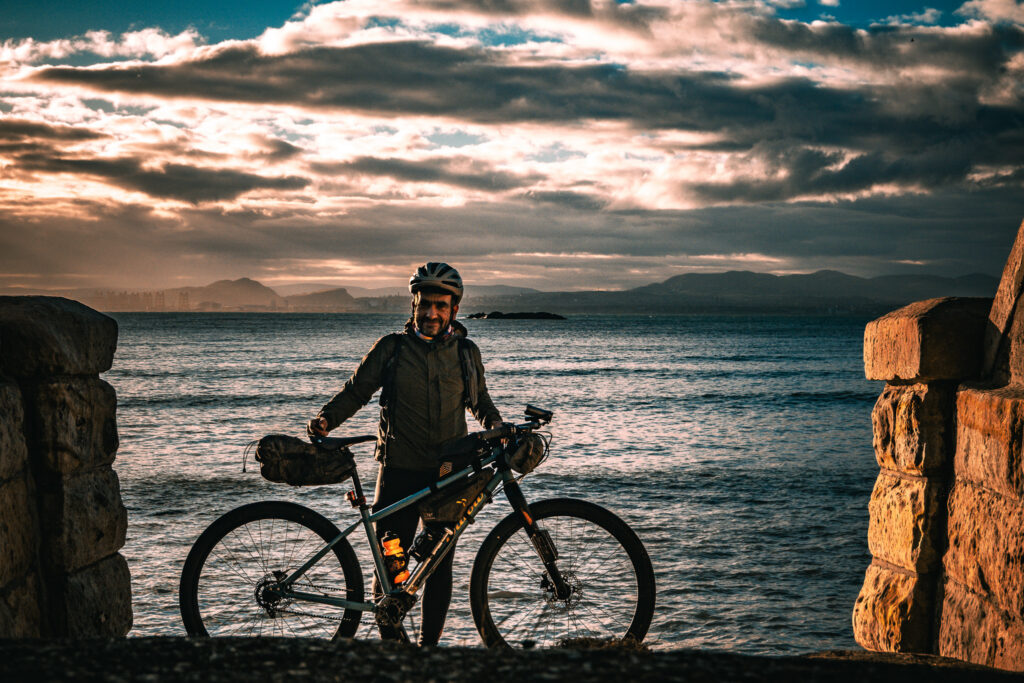

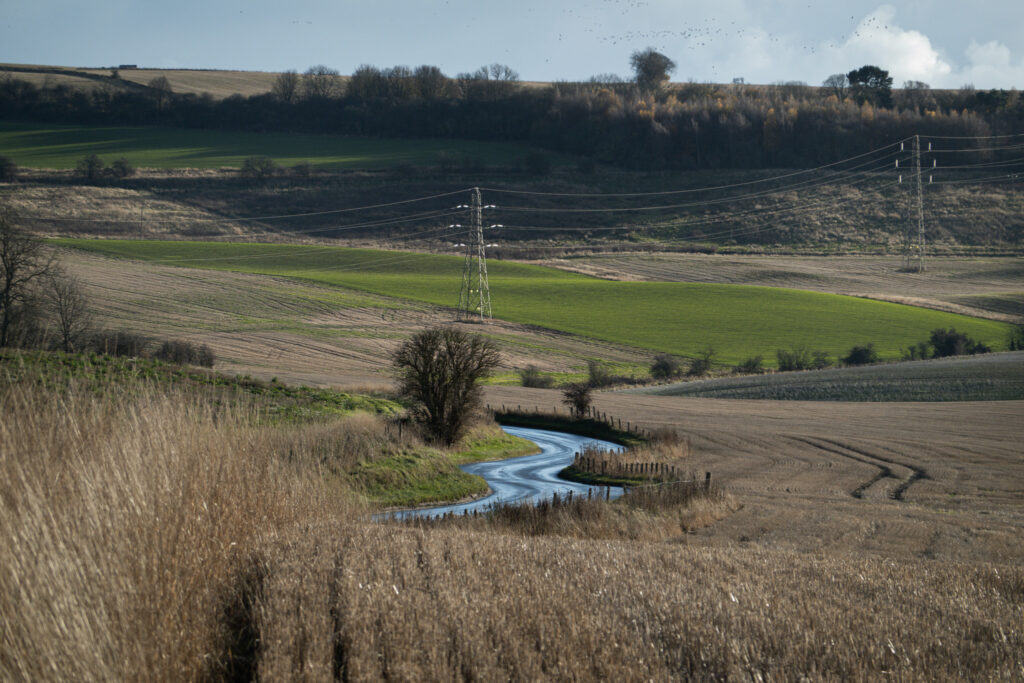
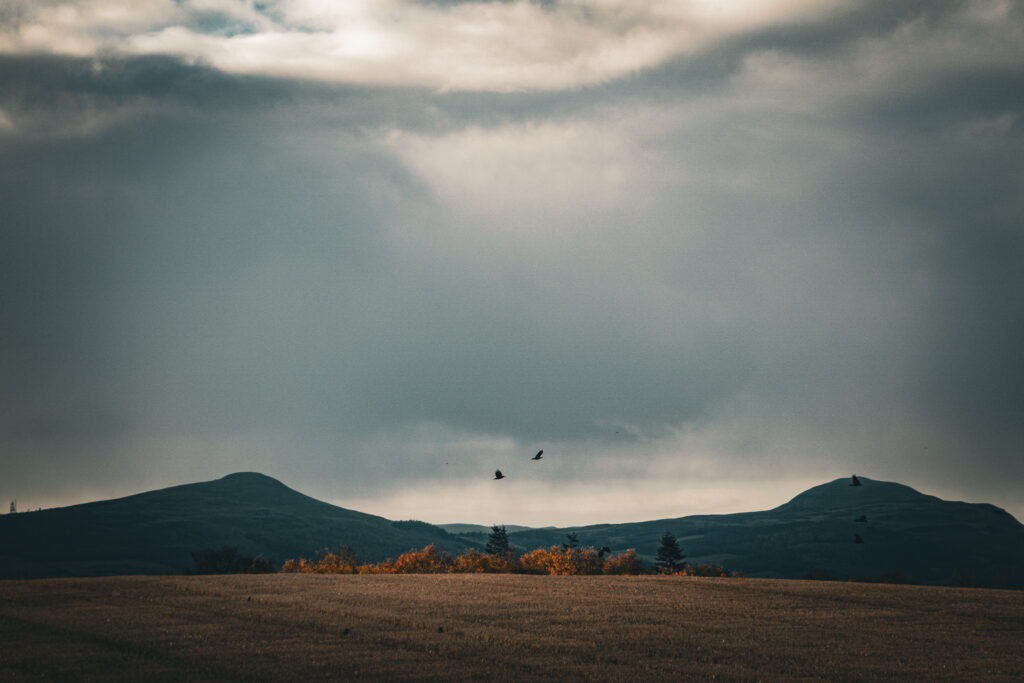
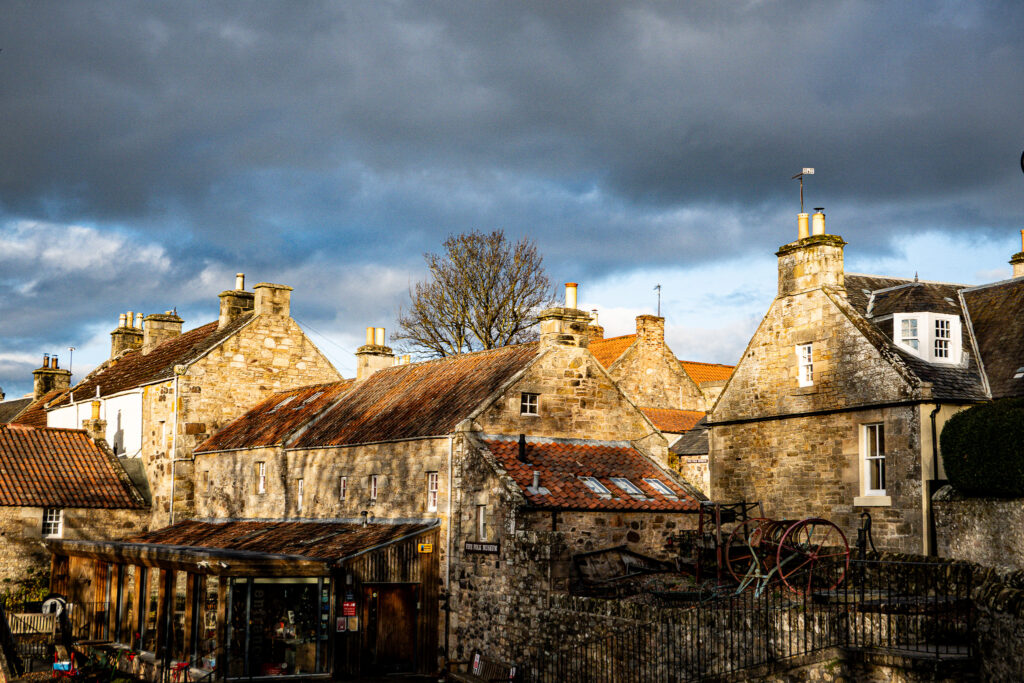


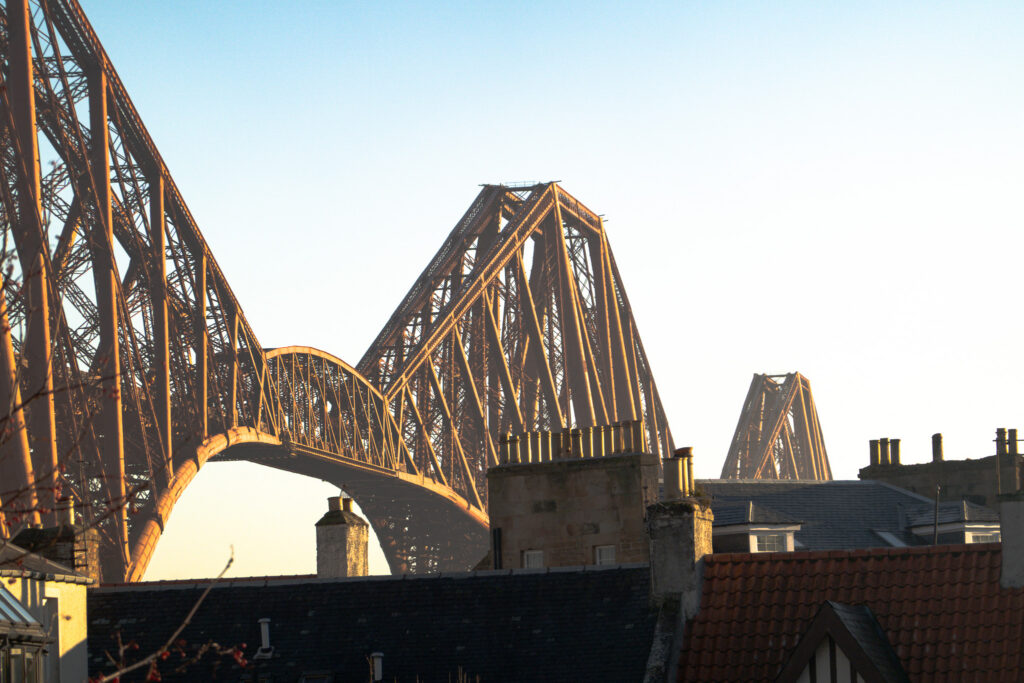
Starting in North Queensferry, the route follows the coast through Aberdour and Burntisland to Kirkcaldy, before continuing to Leven and the historic fishing village of Lower Largo. Heading inland, it passes through the charming village of Ceres before returning to the coast at Elie and Earlsferry.
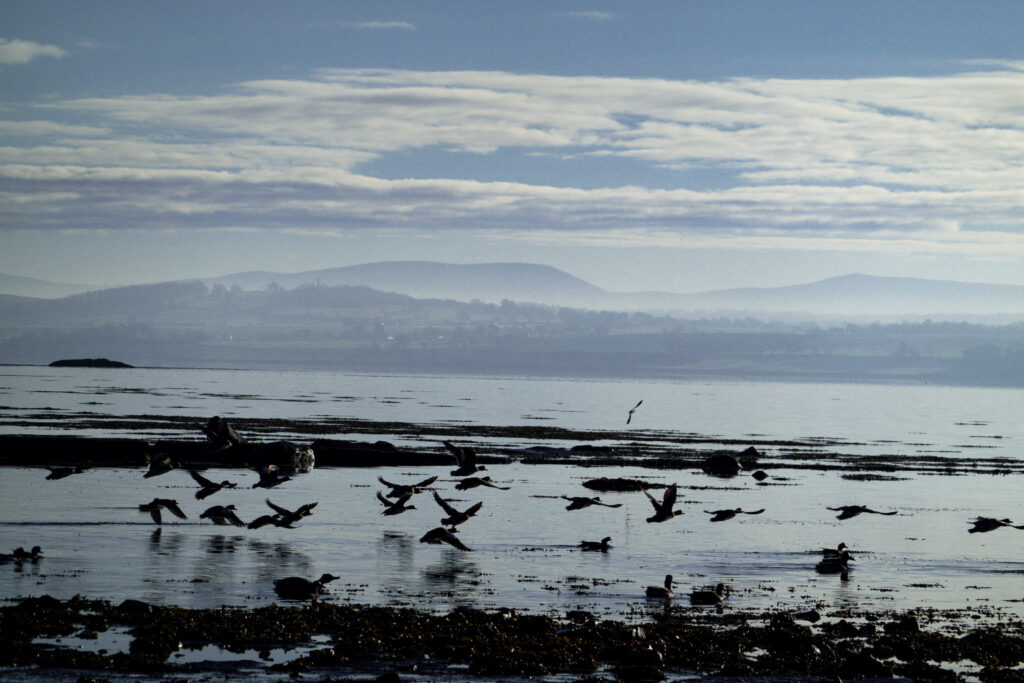
The route then explores the picturesque fishing villages of the East Neuk, including Anstruther and Crail, with a chance to visit Scotland’s Secret Bunker along the way. From Kingsbarnes, it continues to historic St Andrews, before passing Eden Mill and heading past Tentsmuir National Nature Reserve and Forest, with its extensive woodland trails, beaches and wildlife to Tayport.
Fife 191: Tay Road Bridge to North Queensferry
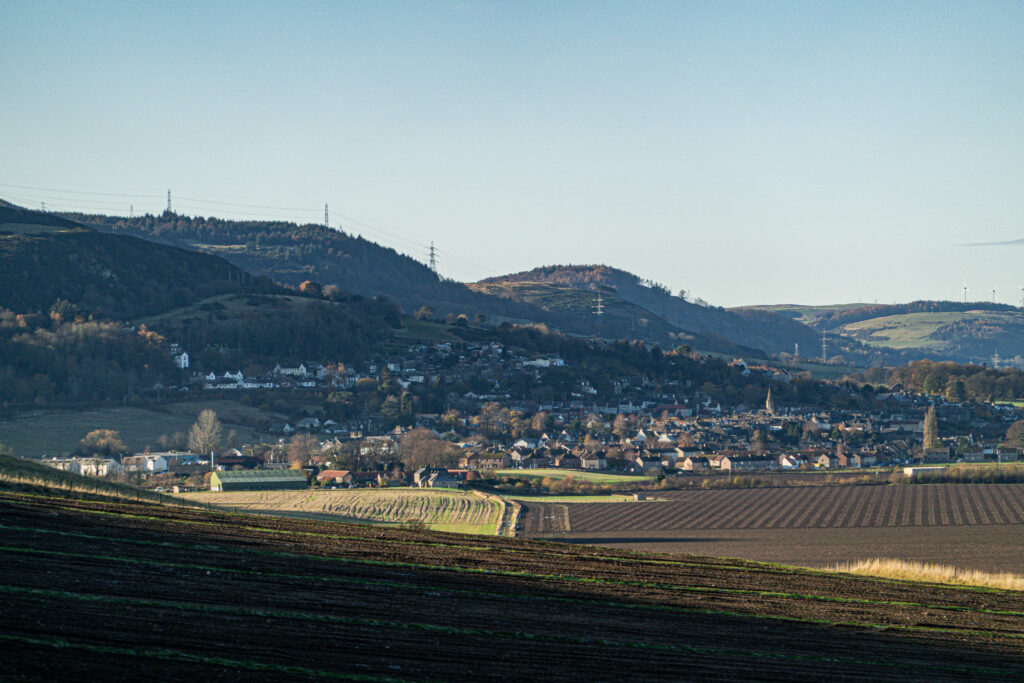
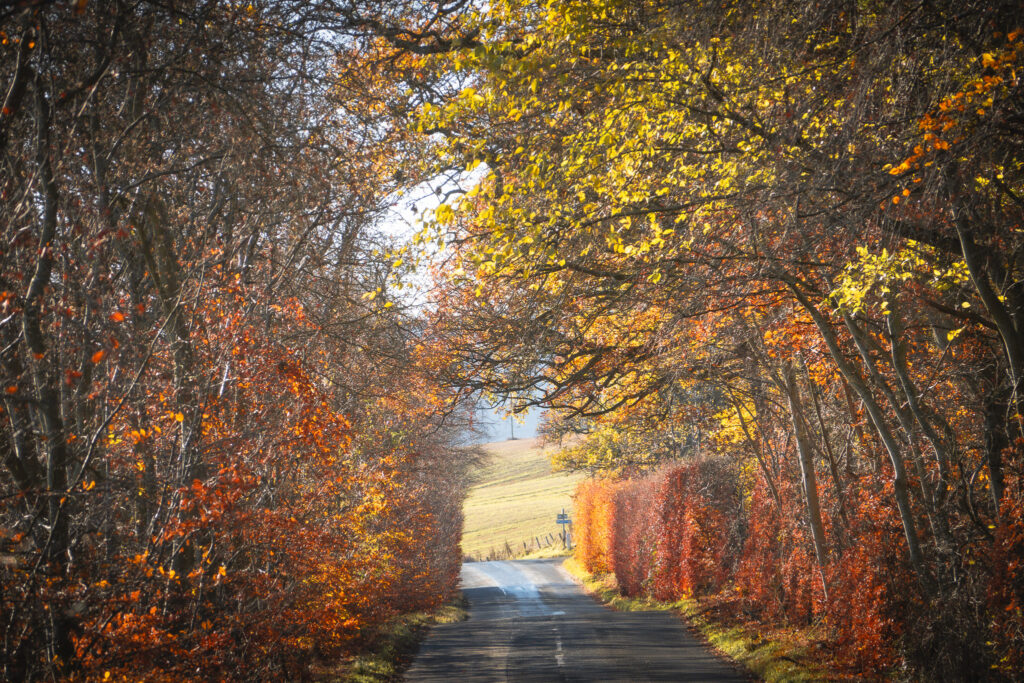

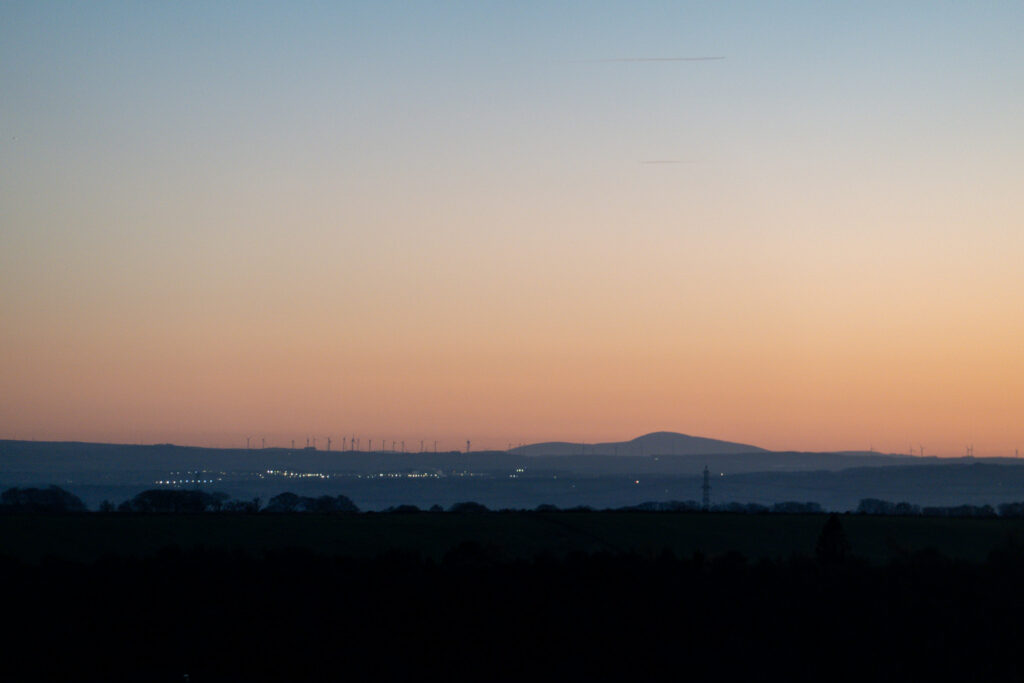
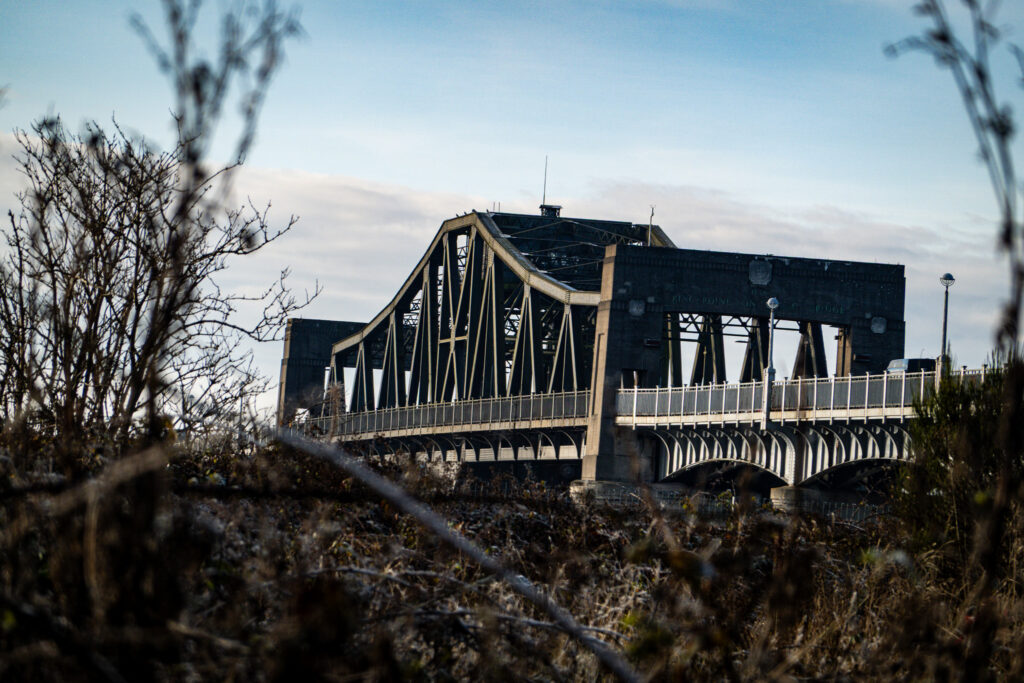
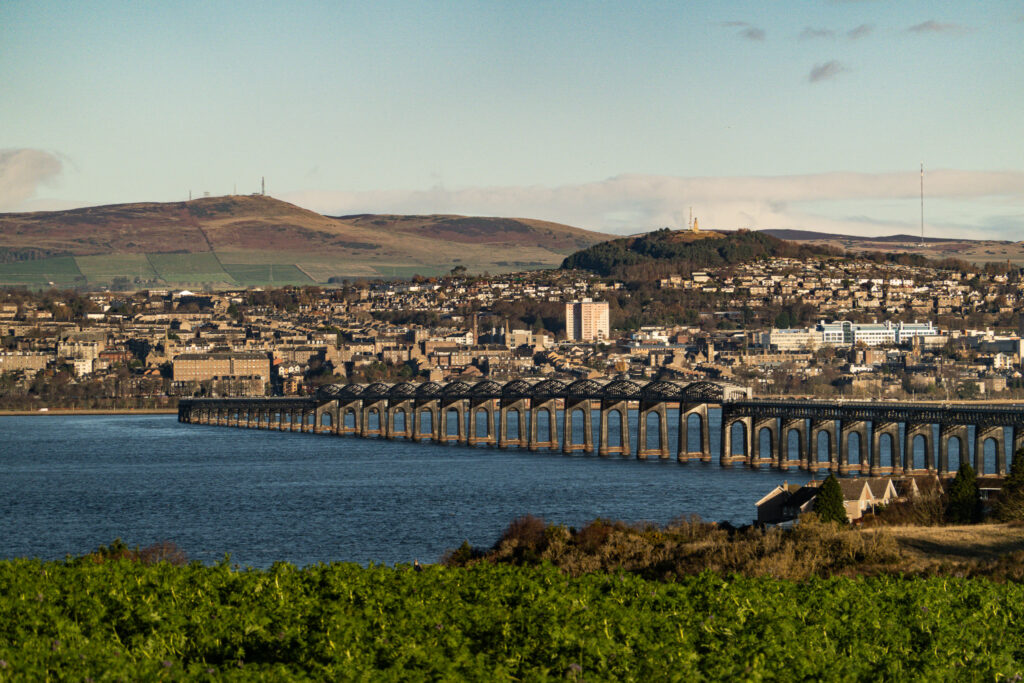
From the Tay Road Bridge the route continues to Newport-on-Tay, offering beautiful views across the River Tay on the cycle to Lindores Abbey Distillery. It then passes through the historic village of Falkland and Markinch with Balbirnie Park, before reaching Lochore Meadows Country Park.
Continuing through Blairadam Forest, the route follows the West Fife Way towards Kincardine, before returning along the shores of the Firth of Forth to the picturesque village of Culross. The final stretch takes in Dunfermline, Scotland’s ancient capital, before returning to North Queensferry.
The route on Komoot and as GPX file
In partnership with

Getting there
The route starts at North Queensferry railway station, but as it is circular, you can join it at various points along the way. Rosyth and Dundee are served by Ember’s intercity electric buses, while regular ScotRail services connect Inverkeithing, Dalgety Bay, Aberdour, Burntisland, Kinghorn, Kirkcaldy, Leven, Leuchars, Dundee, Thornton, Lochgelly, Cowdenbeath, Dunfermline and Rosyth.

This route can be extended or altered with rides from Gravel Rides Edinburgh, Lothians & Fife. Check out our books section for more infos.
In a nutshell
Cycling distance: 309km (192 miles)
Ascent: 2,820m (9252 ft)
Surface: All paved on roads and cycle paths
Difficulty: Challenging
Selected places to eat
- Scoonie Coffee House, Leven
- Giddy Gannet, St Monans
- The Rhynd, Leuchars
- Harbour Café, Tayport
- Kitschnbake, Newport-on-Tay
- East Port Garage and Coffee Shop (Buttercup Cafe), Newburgh
- Pillars of Hercules, nr. Falkland
- The Hayloft, Falkland
- Debbie’s Diner, Blairhall
- Marco’s Kitchen, Kincardine
- Prost Coffee, Dunfermline
You can also find a list of cycle-friendly cafes on the Welcome to Fife blog

For anything bike related
- Ryan’s Bike Surgery, Inverkeithing (shop)
- Lang Toun Cycles, Kirkcaldy (shop, hire)
- Levenmouth Cycle Repairs, Methill (shop)
- Fife Cycle Centre, Leuchars (shop, hire)
- Leslie Bike Shop, Glenrothes (shop, detour)
- Pedals Bike Care Fife, Dunfermline (shop)
- The Bike Shop Scotland, Dunfermline (shop)

Scottish Outdoor Access Code
Scotland’s outdoors provides great opportunities for open-air recreation and education. This comes with great benefits for people’s enjoyment, and their health and well-being. The Land Reform (Scotland) Act 2003 ensures everyone has statutory access rights to most of Scotland’s outdoors. But only if these rights are exercised responsibly, with respect for people’s privacy, safety and livelihoods, and for Scotland’s environment. Equally, land managers have to manage their land and water responsibly in relation to access rights.
The Code is based on three key principles:
- Respect the interests of other people
- Care for the environment
- Take responsibility for your own actions
For more information visit www.outdooraccess-scotland.scot